Distilleries can pour six ounces now, and must keep food on hand. Both rules expire in 2028.
SB 424 doubled the daily spirits limit from three ounces to six and turned tastings into sales. It also requires food reasonably available, which the statute says a food truck or the patron can supply. The whole thing sunsets July 1, 2028.
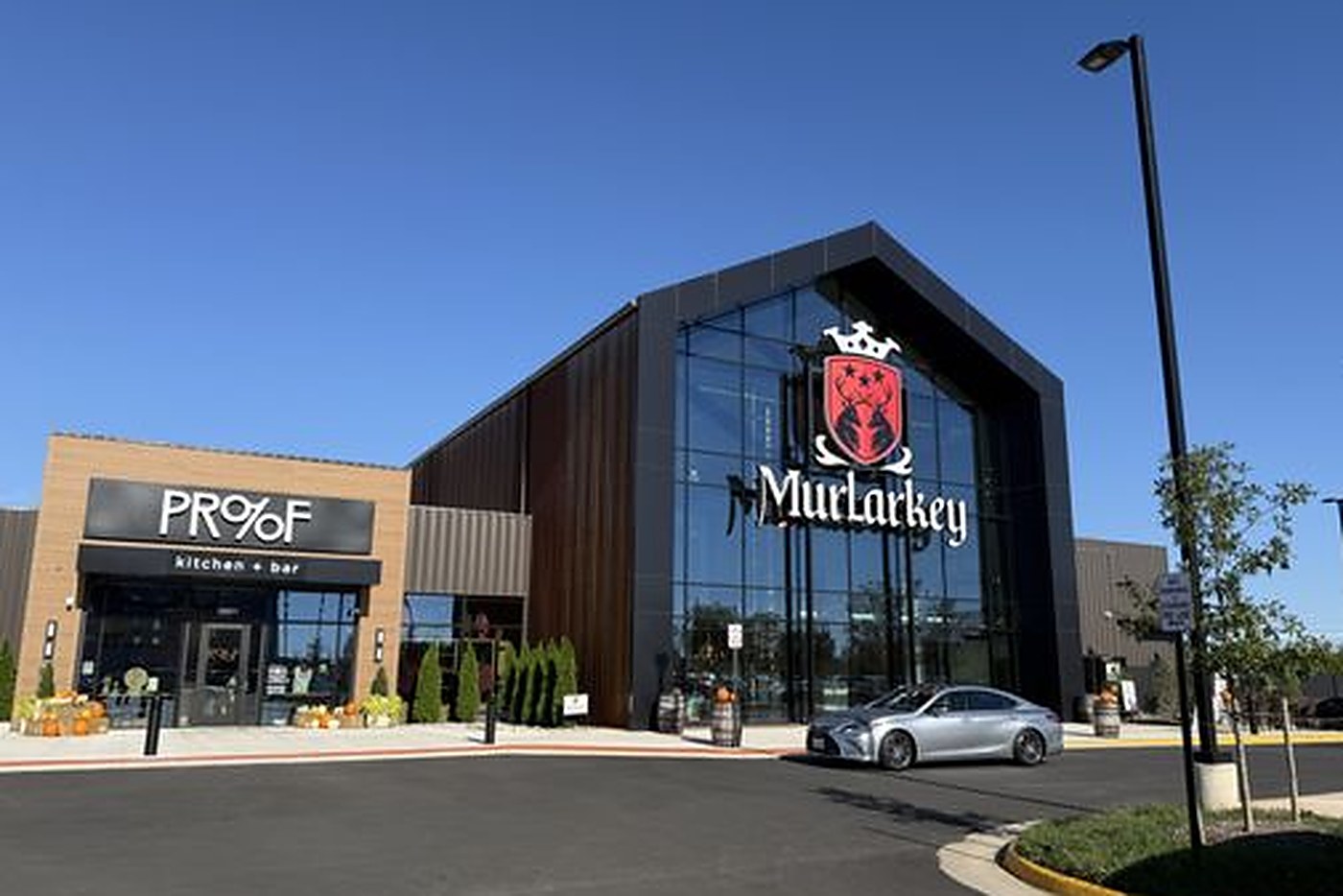
Since July 1, a Virginia distillery may sell and serve up to six ounces of spirits per customer per day for on-premises consumption. The previous rule allowed three ounces, and it was a sample rather than a sale.
The vehicle was SB 424, patroned by Sen. Russet Perry, signed April 13 as Chapter 889. Its House companion, HB 934, failed in conference on March 14, so anyone citing HB 934 is citing a bill that did not pass.
Two other parts of the change matter more than the six ounces.
One: the food requirement is in the statute, not in guidance
§ 4.1-119(G) now reads that a distillery acting as an agent of the Board “shall have food reasonably available at all times when spirits are served.” And then, in the same paragraph:
“Such food may be provided by food trucks, patrons providing their own food, or the agent of the Board. In no event shall spirits be served by any such agent of the Board when food is not reasonably available.”
That is the General Assembly’s language, not an ABC interpretation. A distillery does not need a kitchen. A food truck in the lot satisfies it, and so, remarkably, does a customer who brought a sandwich.
The statute then defines food:
“‘Food’ means prepared or assembled food items requiring minimal preparation or handling, including items prepared off site, that are sufficiently substantial to provide nourishment, and does not include solely prepackaged snack foods such as chips, pretzels, nuts, popcorn, or candy. ‘Food’ includes sandwiches, wraps, pizza, pasta, salads with protein, and cold vegetable plates such as chicken salad or tuna salad.”
A bowl of pretzels is expressly not food. A tray of wraps from a caterer is.
The penalty is unusual. There is no fine attached. Failure to have food reasonably available “may result in the Board’s reconsideration of the agency agreement.” The distillery does not get a citation; it risks the arrangement that lets it sell spirits on its own premises at all.
Two: all of it expires on July 1, 2028
The Code carries two versions of § 4.1-119 and § 4.1-206.1, one effective until July 1, 2028 and one effective from it. The later version drops Chapter 889 from its citation line and reverts to the old regime: samples rather than sales, three ounces rather than six, and no food requirement at all.
The Division of Legislative Services puts it in four words: “The law sunsets on July 1, 2028.”
So this is a two-year trial, and the terms of the trial are already set. ABC must report compliance data to the chairs of House General Laws and Senate Rehabilitation and Social Services by November 1, 2026 and again by November 1, 2027. It must also convene a stakeholder group on manufacturer event licenses and off-site sales privileges and report by December 1, 2026.
Those three reports are what decides whether six ounces survives. The first one is due in eight weeks.
What actually changed
| Through June 30, 2026 | July 1, 2026 to June 30, 2028 | |
|---|---|---|
| The transaction | Give a sample | Sell and serve, on or off premises |
| Daily spirits limit | 3 oz per person | 6 oz per person |
| Food | No requirement | Reasonably available whenever spirits are served |
| Beer and wine limits | 12 oz / 5 oz | Unchanged |
| Single serving | ½ oz, or 1½ oz in a mixed beverage | Unchanged |
Unchanged either way: the requirement that 75% of alcohol in a mixed beverage be the distillery’s own, the ten-variety cap on outside spirits and vermouth, and the rule that outside spirits come from the Board.
Who this applies to
Both distiller’s licensees and limited distiller’s licensees, the farm distilleries. § 4.1-206.1 says limited distillers “shall be treated as distillers for all purposes of this title” except on farm location and agricultural zoning.
Virginia has no “distillery store license.” What exists is a government store established by ABC on the distillery’s licensed premises under § 4.1-119(D), operated by the distiller and its employees as agents of the Board, who are paid a commission of not less than 20% of retail. Every privilege described above attaches to that agency status. It is why the penalty for missing food is reconsideration of an agency agreement rather than a licensing action.
Context
The last time Virginia moved this number was 2016, from two ounces to three.
The 2026 bills originally proposed removing the cap altogether. VRLTA opposed on parity grounds, pointing at the food-to-beverage rule restaurants live under, and six ounces plus a food requirement is the compromise that came out of it. The food requirement is not an afterthought. It is the price of the extra three ounces.
The details that decide it
The statute names what does not satisfy the food requirement: pretzels, chips, nuts, popcorn and candy. § 4.1-119(G) requires a method of tracking consumption per customer for spirits. ABC makes its first report to the General Assembly on November 1, which begins the argument over whether the six-ounce limit survives 2028.