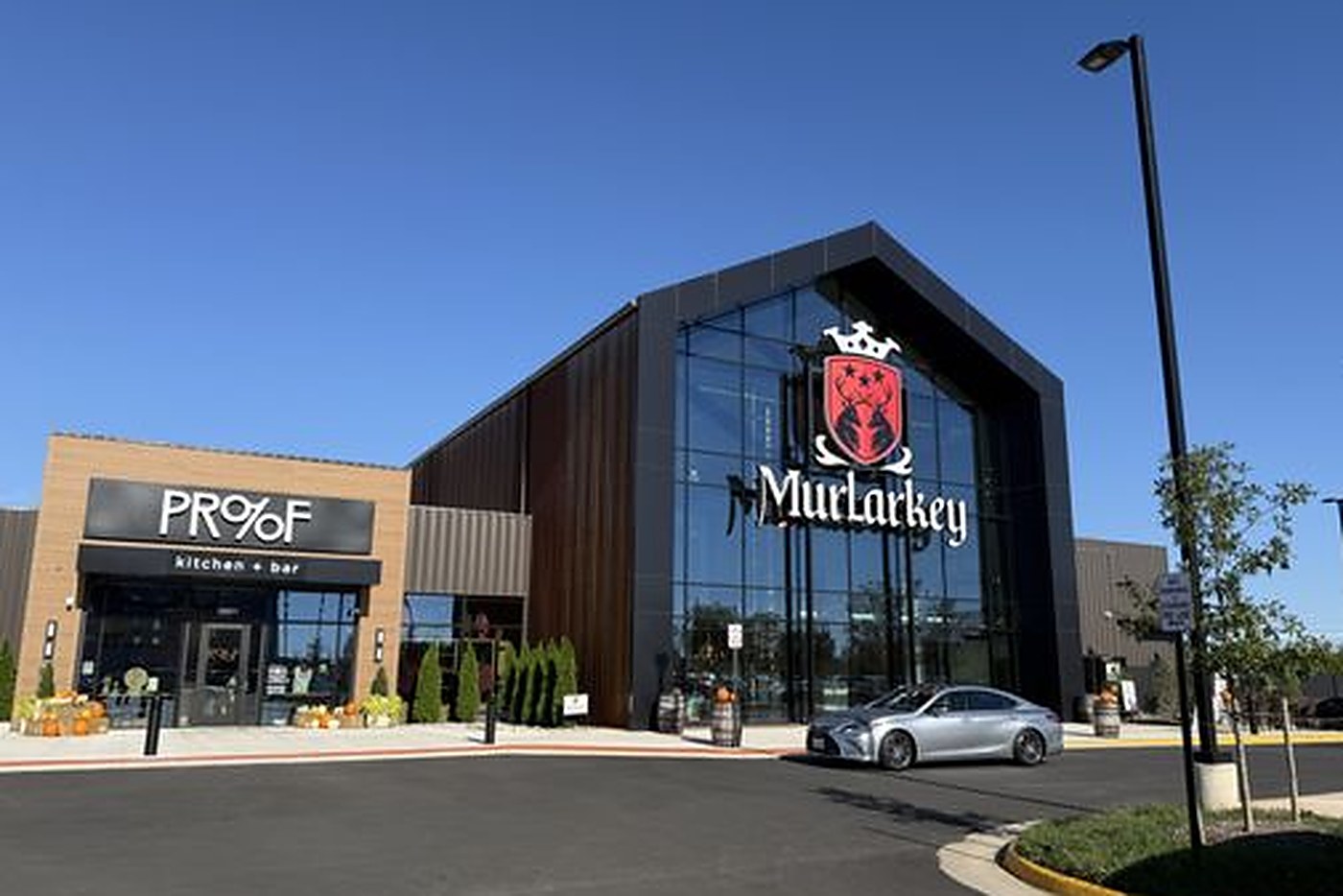
Third Annual Virginia Brewers Conference Comes to Richmond Sept. 21 to 23
More than 30 sessions, a trade show and three nights of receptions bring Virginia's brewing industry to the Delta Hotels Richmond Downtown. The agenda leans hard on profitability, consolidation and taproom performance.
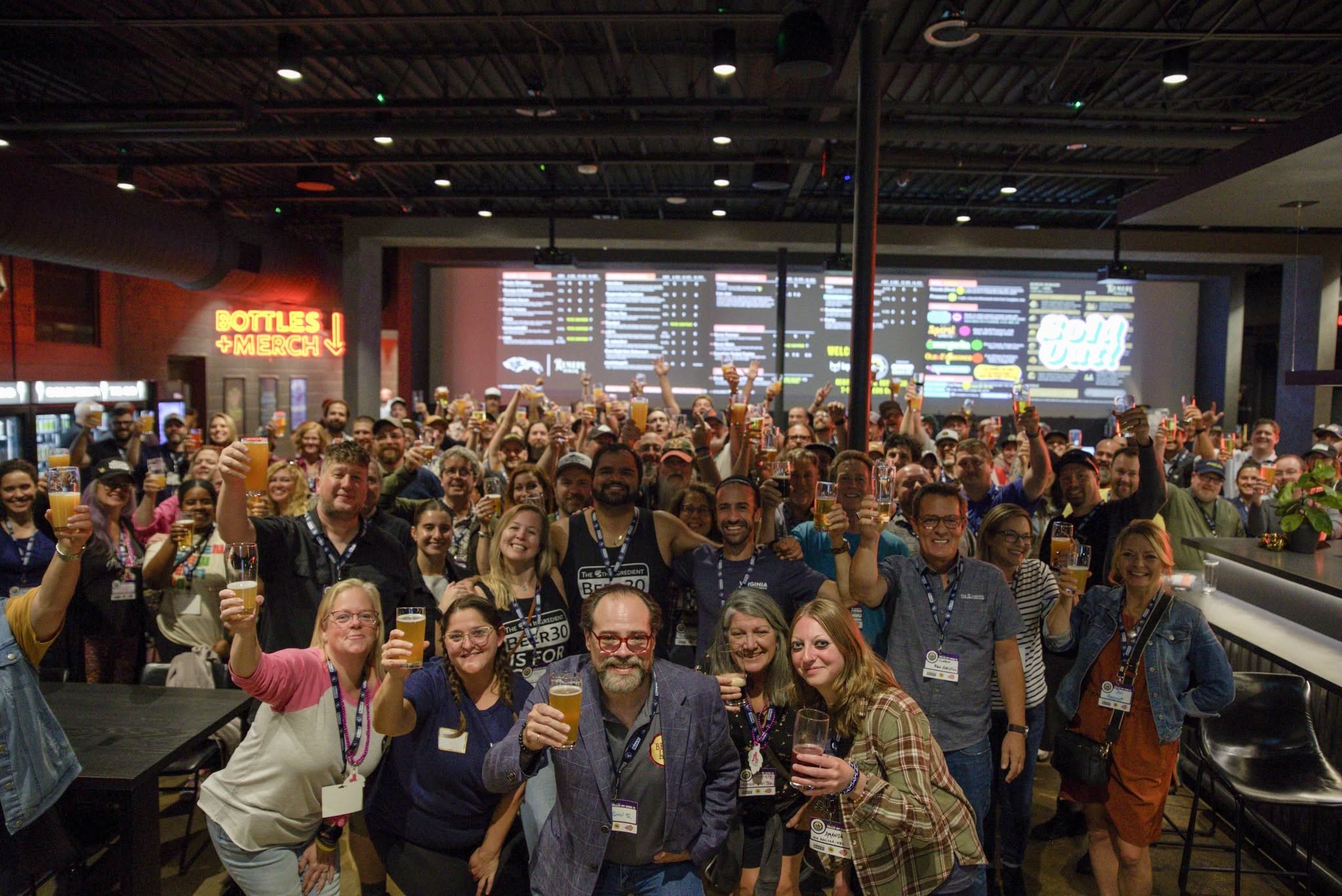
The Virginia Brewers Conference returns to downtown Richmond next week for its third year, bringing brewery owners, brewers and suppliers together Sept. 21 through 23 for more than 30 sessions, a trade show with more than 40 exhibitors and three nights of receptions.
Organized by Craft Beer Professionals and presented this year by Craft Brew Prints, the conference runs at the Delta Hotels Richmond Downtown, with evening events moving out into the city’s breweries.
Read the agenda and you can see what kind of year it has been. Sessions on consolidation, mergers, financial benchmarks, labor efficiency, turning occasional visitors into regulars and welcoming guests who do not drink beer take up much of the program.
Why the program looks like this
Virginia has about 344 craft breweries, eleventh most in the country, with an economic impact the Brewers Association puts at $1.41 billion. Nationally the association counted 434 closings against 268 openings in 2025, the second consecutive year closings outran openings, with craft volume down about 5 percent.
Richmond felt it. Garden Grove closed in Carytown last summer after a decade. Strangeways shut two of its four taprooms, including the original on Dabney Road. Kindred Spirit closed its satellite taproom near Scott’s Addition, and Final Gravity changed hands early this year.
The same city also gained. Väsen opened a second taproom in Forest Hill in December, Bolo’s and Angry Man opened, and Lickinghole Creek is coming back. That is an industry rearranging itself rather than one in retreat, and the conference agenda reads like an industry that knows it.
Three tracks
Programming splits into Business, Brewing, and Innovations & Essentials.
The business track covers financial benchmarks, taproom performance, distributor relationships, digital marketing, rebranding, event programming and customer loyalty. The technical sessions address brewing efficiency, lager production, yeast harvesting, cleaning and sanitation, off-flavor identification and brewing in foeders. A third group looks at artificial intelligence, shifting consumer preferences, consolidation and nonalcoholic products.
“Changes in Drinking Culture: Data + Direction” takes on what shifting alcohol consumption means for taprooms. Dave Infante of Fingers, Elinor Reina of The Veil and Jennifer McLaughlin of Caboose Brewing are on the panel, moderated by Christopher Van Orden of the Craft Beverage Assistance Program at the Virginia Small Business Development Center.
“Welcoming Non-Beer Drinkers Without Losing Your Beer Identity” looks at adding cocktails, seltzers, nonalcoholic options and food while staying a beer-first business. Kyle Farrelly of Atlas Brew Works, Michele Hanson of Tradition Brewing and Nicole Couch of Sojourn Fermentory are on it, moderated by Michael Varda of Crafted Insights.
A Wednesday afternoon session titled “Kids in Breweries” takes up the question taprooms argue about constantly. Panelists from Afterglow Brewing, Intermission Beer Company and Southern Revere Cellars, which VRLTA named Brewery of the Year this week, will talk through taproom policies, layout, staff training and the line between family-friendly and adult hospitality.
Two keynotes
Marcus Baskerville opens the conference with “Refinding Meaning in The Craft,” a talk on leadership, longevity and reconnecting with the reason for doing this work.
Baskerville co-founded Weathered Souls Brewing Company and created the Black Is Beautiful collaboration, which grew into an international brewing and fundraising campaign joined by more than a thousand breweries. He left Weathered Souls in 2024, shortly before it closed, and is now general manager at Esencia and Anacacho and president of the National Black Brewers Association.
Lisa Parker, executive director of the North Carolina Craft Brewers Guild, gives the second keynote, “Moving Forward Together: Collaboration in a Changing Beer Market,” on how breweries keep working together as the market tightens. She works in a state with more than 400 independent breweries.
Selling, and selling more profitably
“Market Consolidation: Buying, Selling, Mergers, & More” covers full and partial sales, joint ventures, brand licensing and employee ownership for owners thinking about a transition. Jeffrey O’Brien of Husch Blackwell and John Szymankiewicz of the Beer Law Center lead it.
Kary Shumway of Beer Business Finance presents “Practical Financial Leadership for Breweries,” on margins, labor efficiency, cash flow and the numbers worth watching. Julia Grubbs of Small Batch Standard leads “Financial Benchmarks for Breweries,” built on her firm’s work with more than 285 breweries, so operators can see where they sit against comparable businesses.
A distributor panel puts both sides in the room, with Pretty Ugly Distribution, North American Sake Brewery and Three Notch’d Brewing Company on what distributors look for, how breweries strengthen those relationships and when a narrower distribution strategy makes more sense.
The Virginia Beer Distribution Company has its own session. Dakota Rust, the program’s operations manager, leads “From Taproom to Account: Training Brewery Staff to Sell Like Reps,” on sales training and account management for breweries moving beer through the state-run wholesaler, which lets participating Virginia breweries move up to 500 barrels of their own beer a year. The program was created by HB 2258 in 2023 and launched in 2024.
Farm breweries
“The Unique Challenges of Running a Farm Brewery” brings together Anna Shore of Solstice Farm Brewery, Chris Suarez of Lost Barrel Brewing and Shannon Delaney of Chilly Hollow Brewing, moderated by Kevin Anderson, executive director of the Loudoun County Brewers Association.
Farm breweries sit at the intersection of agriculture, alcohol manufacturing and hospitality, and they often operate under local rules written for traditional farming or for ordinary commercial use, neither of which quite fits. The panel covers land use and zoning, agricultural production, rural infrastructure, event operations and the work of making a rural brewery worth the drive.
Taprooms
“6 Best Practices for High-Performance Taproom and Beer Garden Operations” gets into service bottlenecks, ordering systems, kitchen efficiency, guest movement and loyalty programs, with Ambar Sharma of Route 7 Brewing, Corbin Abell of Scuffle Hill Brewing and Tom Sullivan of Ardent Craft Ales, moderated by Adam Howe of GoTab.
Other sessions cover brewery events, portfolio management, packaging design, trademarks, employee development, workplace culture and mental health in the industry.
Three nights out
Monday opens with “Catch It Before It Costs You,” an off-flavors sensory workshop for working brewers, capped at 40 people. The welcome reception follows from 7 to 9 p.m. at Väsen Brewing Company in Scott’s Addition.
Sessions and the trade show start Tuesday morning at the hotel, with a statewide bottle share Tuesday evening that gives breweries from around Virginia a chance to pour for each other. The conference closes Wednesday with a reception from 7 to 9 p.m. at Ardent Craft Ales.
Registration covers the sessions, the trade show, two lunches, two afternoon happy hours, the bottle share and both receptions. Brewery admission is $180.75, industry partner admission is $233.75, and teams of three or more pay $138.36 a head. The sensory workshop is a $53.97 add-on.
Registration was still open and nothing was sold out as of Friday morning. The full schedule and registration are on the Craft Beer Professionals site.