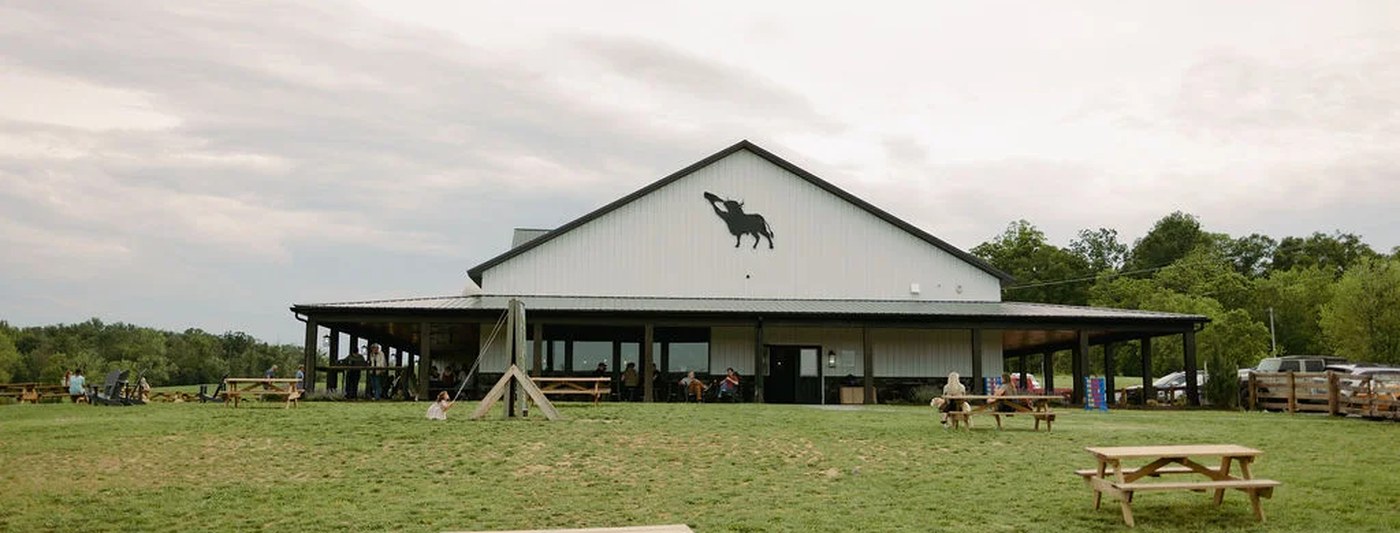
Loudoun's winery event limits will not be settled until November, and the industry has no seat at the table
Supervisors voted to remove all caps on winery and brewery events in May, reversed themselves 15 days later, then handed the question to a nine-member committee that cannot reopen it. Wineries, breweries and distilleries come up on November 9.
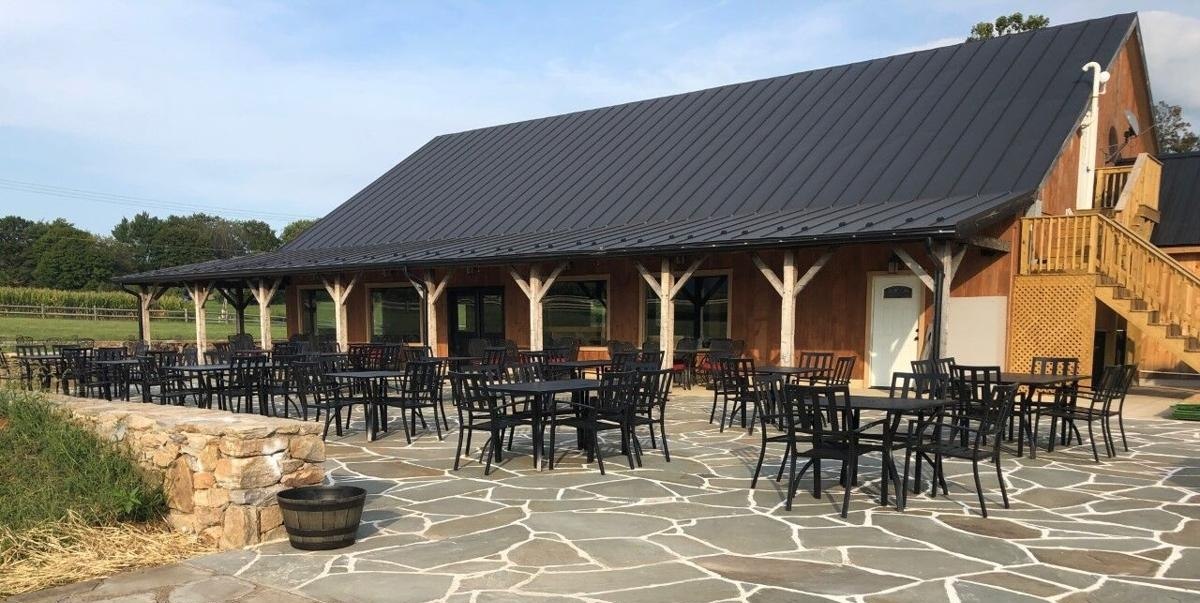
On May 4, the Loudoun County Board of Supervisors voted 5-3 to let farm wineries, limited breweries and limited distilleries hold private parties and product-sales events with, in the language of the motion, “no limitation on the number of such.” Staff had recommended against it.
Fifteen days later the Board reversed. On May 19, Supervisor Laura TeKrony moved to deny that direction. It passed 5-4.
Neither vote is the story. What happened on June 2 is.
The question left the room
On June 2 the Board amended the project plan for its rural zoning rewrite, pulling the work out of the standing Zoning Ordinance Committee and handing it to a new nine-member ad hoc body: five ZOC members and four Planning Commissioners. That passed 6-3.
The committee’s own charge, printed in its orientation packet, is narrow to the point of being decisive. Its task is to answer one question about staff’s draft language: does it capture Board direction? The packet is explicit that there will be no new research during this phase, and that “any new topics will be collected for potential future” amendments.
So the committee cannot reopen whether there should be caps. It can only check whether the drafters wrote down what the Board already decided in May.
The calendar
The committee held an orientation on August 11 and its first working meeting on August 24. That meeting covered equestrian uses, rural restaurants, mobile food vendors, sawmills and agricultural lighting. Wineries were not on it.
| Meeting | Date | Subject |
|---|---|---|
| 2 | September 15 | Lodging and farm worker housing |
| 3 | September 29 | Mountainside Overlay District |
| 4 | October 13 | Agricultural production and processing |
| 5 | October 29 | Recreation, agricultural education, assembly uses |
| 6 | November 9 | ABC uses, agritourism and events |
| 7 | November 16 | Wrap-up, then the committee dissolves |
Staff then prepares a Planning Commission package in December, the Planning Commission works through it between January and March 2027, and the Board holds its public hearing and adopts sometime between May and July 2027.
There is no public comment at ad hoc meetings. Written comment only, through loudoun.gov/ruraluses.
What survived the May reversal
Denying unlimited events did not leave the status quo intact. Three other directions from that May 4 session are still live and are what staff is now drafting:
- Consistent use-specific standards across commercial winery, limited brewery, limited distillery and farm winery, covering dimensions, setbacks, size of use and parcel, hours, noise, exterior lighting, roads and access, food service, and landscaping and screening. Supervisor Caleb Kershner offered a friendly amendment requiring the standards be consistent with Virginia Code § 15.2. TeKrony accepted it; the seconder did not. It was adopted without the state-law consistency language.
- Hours, adopted 7-1-1: Monday to Thursday 8 a.m. to 10 p.m., Friday and Saturday 7 a.m. to midnight, Sunday 8 a.m. to 10 p.m., with a process to extend Sunday hours up to four times a year per establishment.
- Limited distillery becomes its own principal use with its own definition, adopted 8-0-1. Staff confirmed distilleries are currently regulated as limited breweries, which is not what the state statute contemplates.
Where the caps actually live now
Loudoun’s 2023 zoning ordinance, as amended effective March 2025, contains no numeric event cap and no attendance cap in either the farm winery or the limited brewery use standards. The farm winery section runs three short paragraphs and sets no acreage minimum, no hours and no event limit. The limited brewery section sets a 10-acre minimum and a 50-foot outdoor setback, and nothing else numeric.
The caps come from somewhere else: the general Special Events provision, which allows 10 special events per calendar year per parcel, each up to 14 days, with 14 days required between events unless the next one is at least 2,000 feet away.
Whether a wedding at a farm winery counts as a “special event” under that provision turns on a definition that exempts private parties at banquet facilities, hotels, restaurants, bed and breakfasts and country inns. Farm wineries are not on that list. On the face of the text, the 10-per-year cap applies. The Board’s own direction to “add clarifying language” to the private party and special event definitions suggests the county knows the line is not clean.
The state-law ceiling
Virginia law limits what any locality can do here, and the three statutes are not the same.
For farm wineries, § 15.2-2288.3 says usual and customary activities and events “shall be permitted without local regulation unless there is a substantial impact on the health, safety, or welfare of the public.” Local restrictions must be reasonable and must take into account the economic impact on the winery, the agricultural nature of the activity, and whether it is usual and customary across the Commonwealth. A locality’s noise ordinance cannot be more restrictive for wineries than its general one, except for outdoor amplified music.
For limited breweries (§ 15.2-2288.3:1) the protection covers “activities and public events” rather than all events, and the phrase is “shall be permitted,” without the words “without local regulation.”
For limited distilleries (§ 15.2-2288.3:2) there is no policy preamble and no noise provision at all. It is the weakest of the three.
Breweries and distilleries on agriculturally zoned land may be exempted by the locality from parking and road-access requirements. Farm wineries have no such provision.
The county attorney’s office has told the committee it retains zoning authority subject to those limits. The committee asked for, and was given, copies of the Right to Farm Act and the farm winery statute.
What is at stake commercially
Loudoun has more than 50 wineries and tasting rooms, more than 30 breweries, and roughly a dozen distilleries, cideries and meaderies. A 2023 study commissioned by Visit Loudoun, county economic development and the two industry associations put craft beverage revenue at $48.6 million, up about 60% since 2018, drawing roughly one million visitors. More than 85% of the workforce lives in the county, and the wineries and limited breweries gave away more than $1 million that year.
Countywide, visitor spending reached $4.5 billion in 2023, the highest in Virginia, supporting 18,213 tourism jobs.
The unsettled law
There is no published Virginia appellate decision applying the “usual and customary” and “substantial impact” test of § 15.2-2288.3 to a local event cap. The standard has been on the books since 2006 and remains, as far as the reported case law shows, untested.
The closest case is in Clarke County, where Kinder Bauernhof Farm and Chilly Hollow Brewing sued the Board of Supervisors in October 2023 over a text amendment that pushed amplified-sound buildings 300 feet from property lines, cut off amplified sound at 7 p.m. on weeknights, and banned advertised special events, cover charges, weddings and private parties outright. The suit asked for a declaratory judgment that the amendments were arbitrary and contrary to state law. It settled, the owners confirmed to VHN. Terms were not disclosed and no court ruled, so the standard below remains untested.
How the process works from here
The ad hoc meetings take no public speakers. The written record at loudoun.gov/ruraluses is the only channel open before the Planning Commission stage in 2027. Wineries, breweries and distilleries are meeting six of seven, on November 9. Separately, Loudoun’s special events cap allows ten per year.