Hardywood acquires Starr Hill, uniting Virginia's two largest craft brewers
The all-equity deal closed October 1 and brings both brands under one company. Taprooms and staff stay in place, and Hardywood's West Creek brewery becomes the production platform for both wholesale portfolios.
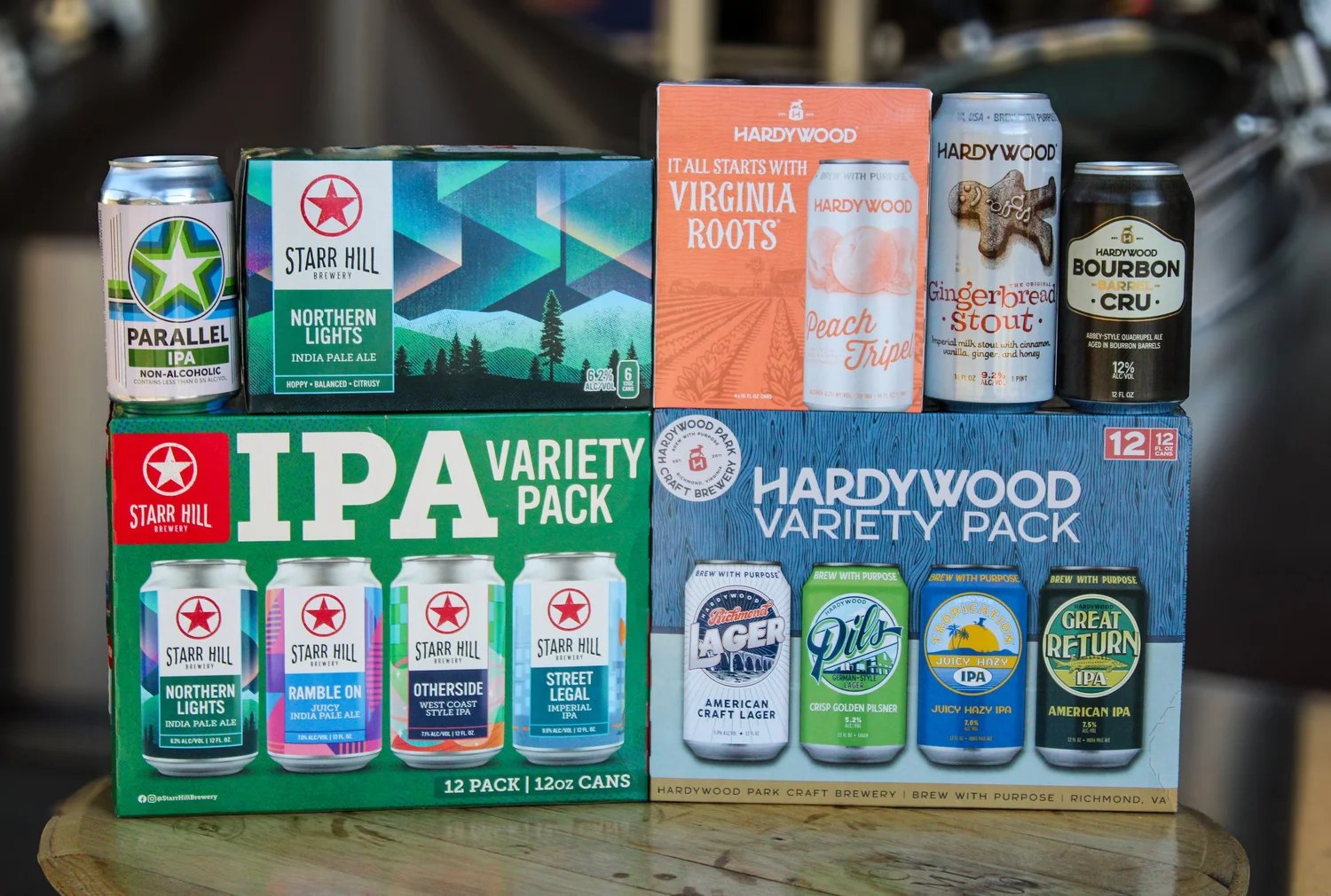
Hardywood Park Craft Brewery has acquired Starr Hill Brewery in an all-equity transaction that brings Virginia’s two largest craft beer brands by retail volume under one company.
The deal closed October 1 and was announced October 7. Financial terms, the combined company’s valuation and the ownership stakes issued to Starr Hill’s owners were not disclosed.
Both companies said their brands, brewing locations and taprooms will remain in place. Employees are expected to continue in their existing roles during the initial integration, and consumers will begin seeing guest taps, joint releases and merchandise from the sister breweries.
The acquisition is a major consolidation within Virginia craft beer, but it did not begin as a sudden takeover. In June 2025, Hardywood and Starr Hill agreed to consolidate production of their respective wholesale brands at Hardywood’s West Creek brewery in Goochland County, west of Richmond. Starr Hill kept focused production at its own locations to support taproom service and product development.
The new transaction converts that production relationship into common ownership.
Leadership and production
Hardywood co-founder Eric McKay will serve as chief executive of the combined company. Hardywood’s Kate Lee becomes chief operating officer and will oversee day-to-day operations. Josh Cromwell, Starr Hill’s longtime vice president and chief financial officer, becomes chief financial officer of the combined business.
The breweries said Hardywood and Starr Hill rank first and second among Virginia craft brewers by volume, citing NielsenIQ measurement of Virginia all-outlets-combined and convenience channels for the 52 weeks through September 5, 2026. That measurement covers packaged retail sales. It does not capture beer sold through taprooms, self-distribution or other channels, so the ranking describes retail scale rather than total production.
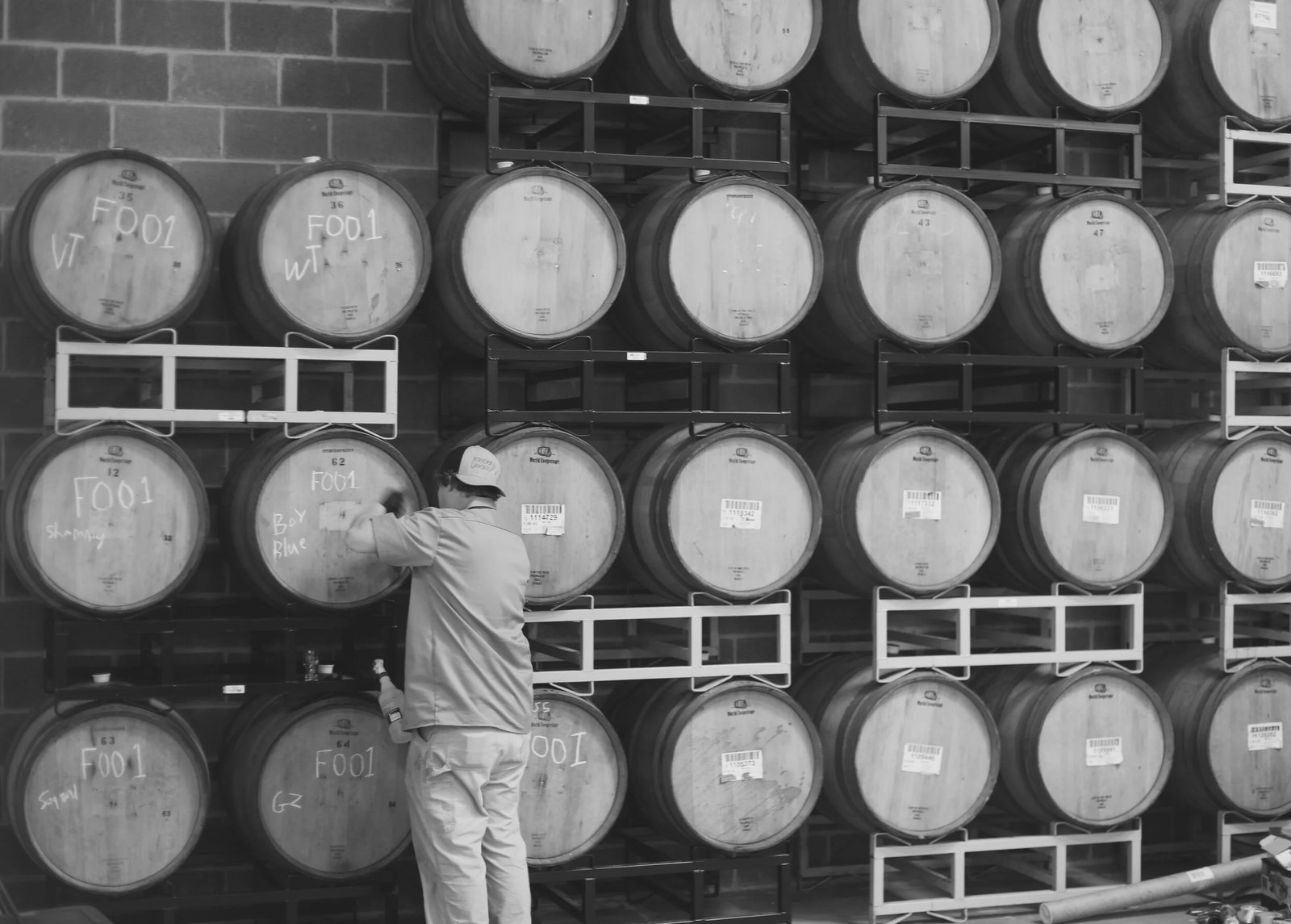
Hardywood’s West Creek facility will remain the primary production platform for wholesale beer. The combined operation also controls three pilot brewhouses ranging from 3.5 to 20 barrels, along with Hardywood’s barrel-aging program. The companies are positioning that mix as a way to produce flagship beer efficiently while keeping experimental releases tied to individual taprooms.
Starr Hill, founded in Charlottesville in 1999 and now headquartered in Crozet, operates six Virginia locations: Crozet, Charlottesville, Lynchburg, Roanoke, Richmond and Tysons. Hardywood, founded in Richmond in 2011, operates two taprooms, its original location near Scott’s Addition and the West Creek taproom and brewery in Goochland County.
The companies said their nine taprooms draw more than 900,000 visits a year. Neither announcement enumerated the nine, and the two breweries’ own location listings together name eight.
Richmond BizSense reported that the combined workforce is approximately 180 employees, split roughly evenly between the two breweries, and that all will be retained.
A consolidation play in a contracting market
The acquisition arrives as the national craft beer sector works through softer demand, excess production capacity and rising operating costs. Virginia is not insulated from those pressures. Brewers Association state data show 352 craft breweries in Virginia in 2023 and 344 in 2025, a net loss of eight. Axios, reviewing Virginia ABC data, reported that beer and malt beverage sales volume in the commonwealth has fallen about 11% since 2022. ABC publishes monthly case and gallonage reports but no annual totals, so that calculation is Axios’s own.
Hardywood has responded by turning production capacity into a service and consolidation asset. In June 2026, before acquiring Starr Hill, it licensed Legend Brewing Company’s flagship Legend Brown Ale, taking over manufacturing and distribution while Legend retained the recipe and continued brewing its other beers at its Manchester brewery, which is for sale. The Starr Hill deal gives Hardywood a larger portfolio, more taproom traffic and additional leverage in production and procurement.
For Starr Hill, the transaction offers access to West Creek’s scale without retiring a brand that has been part of Virginia beer since the industry’s early expansion. The companies said existing recipes and locations will remain, and Starr Hill’s ownership and leadership will participate in the combined business through the equity structure.
That continuity will be watched closely. In brewery acquisitions, preserving a label and a taproom does not necessarily mean every production, purchasing or distribution decision stays with the legacy company. The combined team still must decide how brands are prioritized, where new products are brewed and how sales resources are allocated.
Questions still open
The announcement does not identify the surviving corporate entities, disclose the equity split or explain whether any debt was refinanced. It also does not describe regulatory approvals involving federal brewing permits, Virginia ABC licenses or distributor agreements.
Virginia’s beer franchise laws can make territory and brand-rights changes consequential for wholesalers. Whether distributors will continue handling the same labels in the same territories, and whether the combined company expects contract changes, is worth clarifying.
Hospitality operations are another test. A footprint of eight or nine taprooms creates meaningful traffic and event revenue, but it also brings duplicated management, purchasing and programming functions. The companies say employees will remain in their current roles while integration proceeds. Whether that commitment holds after the initial transition will be an important measure of the deal.
For now, the customer-facing plan is deliberately conservative: keep both names, keep the taprooms and use the combined platform for more releases, guest taps and merchandise. The strategic change is behind the bar, where Virginia’s two largest craft brewers now share ownership, production capacity and executive leadership.