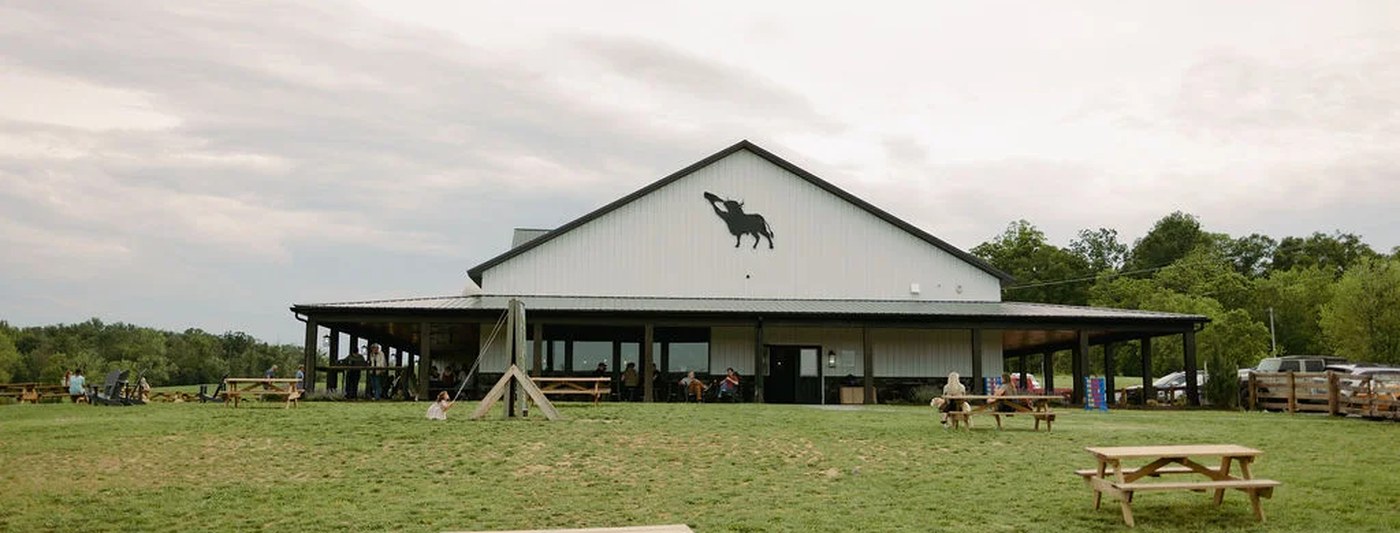
Greene County wants 30 agritourism events by right and a 150-person cap. Supervisors could not agree on the acreage.
A draft farm business ordinance would allow 30 events a year without a permit, cap by-right attendance at 150, and treat weddings as agritourism but not concerts. The board sent it back to staff on August 28.
Greene County supervisors spent August 28 on a draft agritourism and farm business ordinance and ended the night without a vote.
The draft would allow up to 30 agritourism events a year by right, require a special use permit above that, and cap by-right attendance at 150. A 4,000 square foot building footprint threshold is also in it.
The sticking point was acreage. The current draft sets a 10-acre minimum, which drew objections. Board chair Catalano floated raising it to 20 acres with special-use review for anything smaller. Supervisors sent staff away for a written summary, more legal research, and clearer options on what the county may actually regulate under state law.
The line the draft draws
Weddings are treated as a protected agritourism use. Concerts explicitly are not. Outdoor amplified sound that is not tied to a wedding ceremony would be prohibited by right.
That distinction is where the legal risk sits. Under § 15.2-2288.3, usual and customary activities and events at a farm winery are permitted without local regulation unless there is a substantial impact on public health, safety or welfare, and any restriction must take account of the economic impact on the business. A locality’s noise ordinance cannot be more restrictive for wineries than its general one, with outdoor amplified music carved out as the exception.
The county’s request for more legal research on exactly this point is the honest part of the August 28 meeting.
The comparison next door
Albemarle County, which shares a border and a wine trail, allows farm wineries, breweries and distilleries to hold events of up to 200 attendees with no special use permit, and sets no attendance limit on ordinary tasting room business. Sites over 21 acres generating fewer than 50 daily visitor vehicle trips need no zoning clearance at all.
Albemarle’s by-right list is explicit and long: festivals and receptions, winemaker and brewmaster dinners, weddings and receptions, tasting seminars, business meetings, fundraisers, hayrides and tours.
A Greene County producer looking at a 150-person cap and a 30-event ceiling is looking across the county line at 200 and no ceiling.
Why this keeps happening
Greene is the third Virginia locality this year to reopen event limits on farm beverage businesses, alongside Loudoun’s rural zoning rewrite and the Clarke County ordinance that drew a lawsuit in 2023. That case has since settled without a ruling. The pattern is the same each time: neighbors raise traffic, noise and light; producers say events are what make the agricultural operation solvent; and the county discovers mid-debate that state law has already decided part of the question for it.
No published Virginia appellate decision has applied the “usual and customary” and “substantial impact” test to a local event cap. Until one does, every county drafting one is guessing, and every producer subject to one is deciding whether to sue.