Virginia's next hotels are a brewery loft, a geodesic dome and a wildlife retreat
The state tourism office's lodging list, updated August 28, is dominated by small and strange properties: five suites above a Waynesboro brewery, domes in Prince Edward County, and three historic buildings coming back as hotels.
The Virginia Tourism Corporation updated its lodging pipeline on August 28, and the notable thing about it is how little of it is a hotel in the ordinary sense.
| Property | Where | Opens | Rooms | What it is |
|---|---|---|---|---|
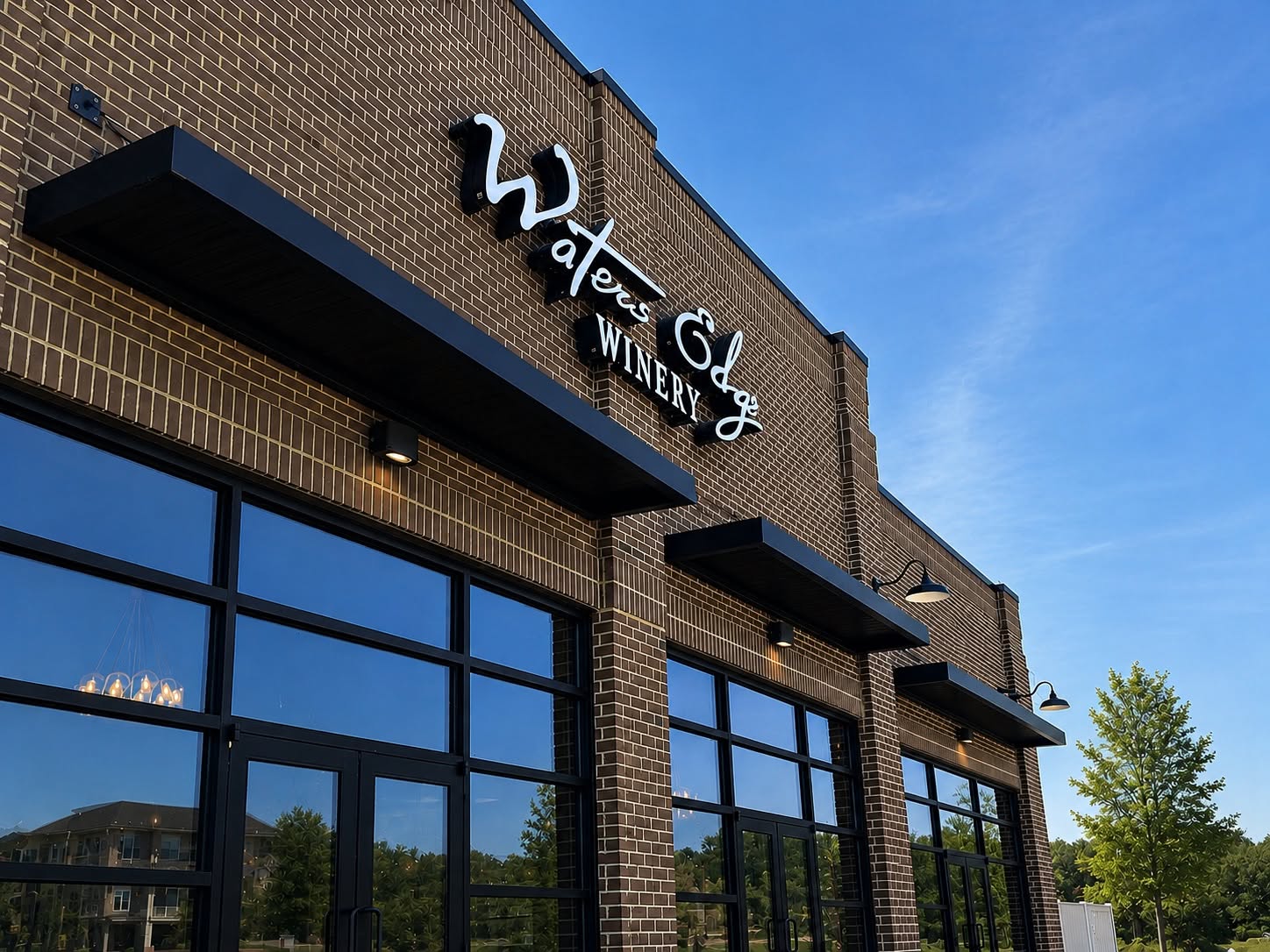
| The Lofts, Stable Craft | Waynesboro | July 2026 | 5 | Suites above a working brewery |
| Camp Yellow Cardinal | Prince Edward County | Fall 2026 | — | Geodesic domes, hot tubs, fire pits |
| Wilde Manor | Halifax County | May 2026 | — | Wildlife retreat |
| The Rook at South Boston | South Boston | Early 2027 | — | The historic John Randolph Hotel, reopened |
| Shenandoah Mansions | Richmond, the Fan | 2027 | 73 | The Fan’s first boutique hotel |
| The Laurel Hotel | Danville | February 2026 | 36 | Adaptive reuse |
| The Birdwood Mansion | Charlottesville | June 2026 | 7 | Adaptive reuse |
Alongside them, the conventional pipeline: Virginia Guesthouse in Charlottesville (214 rooms, university-owned), StayApt Suites in Hampton (103), Residence Inn Glen Allen, LivAway Suites in Hopewell, The Sitio in Virginia Beach (20), The Satire in Alexandria, and a renovation of the Inn at Wise.
The unconventional column adds up to well under two hundred keys across seven properties. That is the point rather than a weakness. These are properties where the room is not the product.
The brewery that became a hotel
Stable Craft Brewing near Waynesboro is a farm brewery and cidery on a working horse and hop farm. It already ran four farm suites: the Blue Ridge, the Paddock across from the Clydesdale paddock, the Allegheny inside the horse barn, and the Farmhand beside the brewery and hop yards. Hot tubs on covered porches, gas fireplaces, a pet-friendly option.
The new thing is lodging above the brewery itself.
The published room counts do not agree. The state tourism office says five. The brewery’s own announcement describes a “loft collection” and frames the wider rollout as “eight new reasons to book.” Trade coverage in August 2025 said six luxurious suites.
Rates are not published anywhere; they sit behind a booking portal.
Ownership changed in August 2025, when founder Craig Nargi stepped back after 26 years and Greg Matherly, previously director of hospitality at Devils Backbone, became general manager.
What changes when a taproom adds beds
Rooms bring rules a taproom never met. Transient occupancy tax applies at a locality-by-locality rate with its own filing calendar. Since July 2025, a “hotel” under § 35.1-1, defined to reach “any place offering to the public for compensation transitory lodging,” including tourist homes, must show a total price or disclose the percentage of any mandatory gratuity. Five rooms above a brewery meets that definition. The FTC’s rule on unfair and deceptive fees has covered short-term lodging since May 2025 and does not cover restaurants. Sleeping occupancy carries its own fire classification, alarm and egress requirements and inspection.
The economics are the draw. A guest who was going to have three beers and drive home instead has dinner, breakfast and a bottle to take away.